


Choosing Builders for Your Land: A Guide to Finding the Perfect Partner
Building a home on your own land is an exciting journey filled with possibilities. But one of the most critical decisions you’ll make is choosing the right builder. This choice shapes not only the quality and style of your home but also your experience throughout the construction process. From thoughtful design to craftsmanship details, the builder you select will be your collaborator in turning your vision into reality.
What Matters Most When Choosing Builder to Build on Your Land/Lot
When you own a piece of land, the potential to create a home tailored to your lifestyle is immense. However, the success of this project depends heavily on the builder’s expertise and approach. Here are some key factors to consider:
1. Experience with Custom Homes and Unique Sites
Not all builders are created equal. Some specialize in volume builds on flat, easy lots, while others thrive on challenging terrains and custom designs. We’ve worked on projects where the land’s slope or natural features demanded creative problem solving. Choosing a builder to build on your land who will understand how to work with your land’s unique characteristics will save you time and money.
2. Design Collaboration
Great homes start with great design. Look for a builder who values collaboration with architects and designers. This partnership ensures that your home’s design is not only beautiful but also practical and buildable. We always encourage clients to engage early with their design team and builder to align expectations and explore innovative solutions. KEEN ID is our inhouse design team if you haven't selected one to work with - we would love the opportunity to work with you.
3. Craftsmanship and Attention to Detail
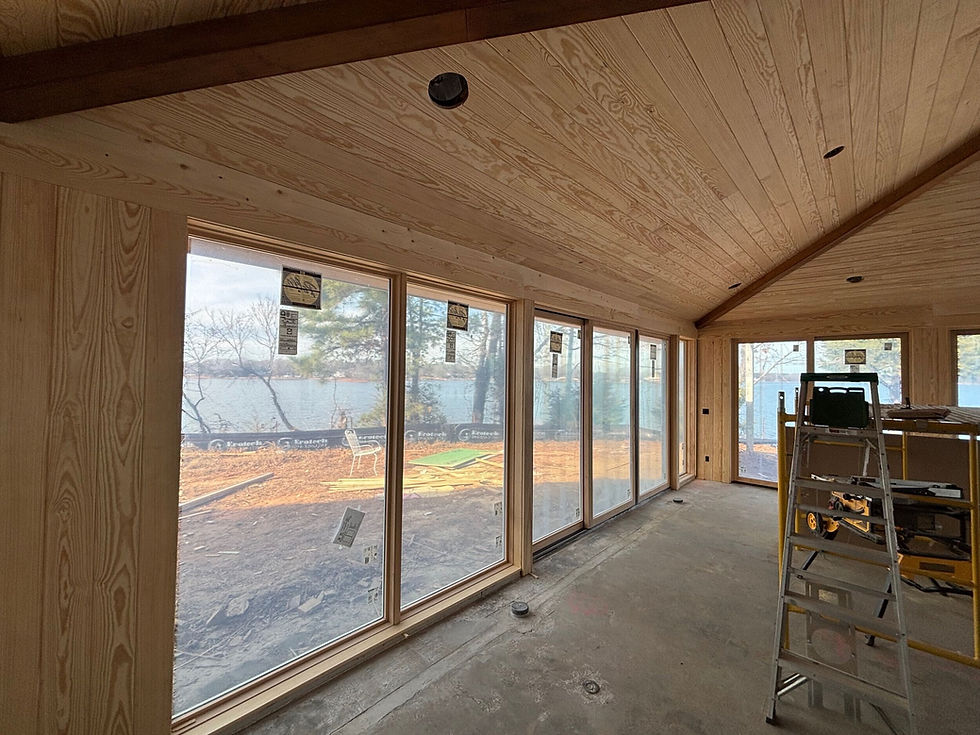
The difference between a good home and a great home lies in the details. From custom millwork to carefully selected materials, craftsmanship elevates the living experience. When visiting past projects or model homes, pay attention to finishes, joinery, and how well the builder executes design elements. We just completed a lake front renovation where we were able to preserve its connection to family history of the ceiling the client had originally built themselves in1970.
4. Transparent Communication and Process
Building a home can be complex. A builder whose team communicates clearly and regularly helps you stay informed and confident. We’ve found that clients appreciate when we provide detailed timelines, budget updates, and site progress reports. Transparency builds trust and reduces stress.
5. Local Knowledge and Permitting Expertise
Every region has its own building codes, zoning laws, and permitting processes. A builder familiar with your area can navigate these efficiently, avoiding costly delays. For those in North Carolina, this local expertise is invaluable when building from the sea to the mountains. KEEN has a coastal division and a high country division because we understand land - and would love to build on your lot.
Is $400,000 Enough to Build a House?
Budgeting is often the first question on a homeowner’s mind. Is $300,000 enough to build a house? The answer depends on many factors including location, home size, design complexity, and material choices.
In North Carolina, $400,000 can build a modest, well-crafted home, especially if you focus on efficient design and prioritize essential features. However, for luxury custom homes with high-end finishes, expansive square footage, and unique architectural details, this budget may be tight.
Here are some considerations to help you evaluate your budget:
Land Costs: If you already own your land, that’s a significant advantage. If not, factor in the purchase price and any site preparation costs.
Design Complexity: Simple, rectangular floor plans are more cost-effective than intricate layouts with multiple rooflines or custom features.
Material Selection: High-quality materials add to the cost but also to the home’s longevity and aesthetic appeal.
Site Challenges: Building on steep slopes, rocky soil, or heavily wooded lots can increase foundation and grading expenses.
Permits and Fees: Local government fees vary and should be included in your budget.
Working closely with your builder and architect from the start helps align your vision with your budget. They can suggest design adjustments or material alternatives that maintain quality while managing costs.

How to Evaluate Builders: Questions to Ask and Red Flags to Avoid
Choosing the right builder means doing your homework. Here are some practical steps and questions to guide your evaluation:
1. Review Past Projects
Ask to see a portfolio of completed homes, especially those built on land similar to yours. Look for consistency in quality and style.
2. Check References
Speak with previous clients about their experience. Were deadlines met? Was communication clear? How did the builder handle challenges?
3. Understand the Building Process
Request a detailed explanation of the construction timeline, milestones, and how changes are managed. A builder who outlines this clearly demonstrates professionalism.
4. Verify Licensing and Insurance
Ensure the builder is licensed in your state and carries adequate insurance. This protects you from liability and ensures compliance with regulations.
5. Discuss Warranty and Post-Build Support
A reputable builder stands behind their work. Ask about warranty coverage and how they handle any issues after move-in.
Red Flags to Watch For:
Vague or evasive answers to your questions
Lack of transparency about costs or timelines
Poor communication or unresponsiveness
Negative reviews or unresolved complaints
By approaching your builder search with these criteria, you’ll increase your chances of a smooth, successful build.

The Role of Outdoor Living and Site Integration in Your Build
One of the joys of building on your own land is the opportunity to create seamless indoor-outdoor living spaces. Thoughtful design integrates the home with its surroundings, enhancing lifestyle and value.
Consider these elements:
Orientation and Views: Position living areas and windows to capture natural light and scenic vistas.
Outdoor Rooms: Covered patios, decks, and outdoor kitchens extend your living space and encourage connection with nature.
Landscaping and Hardscaping: Work with your builder and landscape designer to create cohesive transitions from house to yard.
Sustainability: Incorporate native plants, rainwater management, and energy-efficient features to reduce environmental impact.
In my experience, clients who prioritize outdoor living enjoy their homes more fully and see better long-term satisfaction.
Finding the Right Builder for Your Land in North Carolina
If you’re ready to take the next step, it’s important to connect with builders who understand the local market and your specific needs. Whether your land is in the Charlotte area, the High Country, or along the Carolina coast, the right builder will bring technical expertise and design sensitivity to your project.
For those searching online, a helpful resource is to check out our Signature Sites. This can connect you with land for sale and trusted professionals who specialize in real estate who can help you vision a custom build on your new your land.
Remember, the right builder is more than a contractor - they are your partner in crafting a home that reflects your lifestyle, values, and dreams.
Embracing the Journey of Building Your Dream Home
Building on your land is a unique adventure that blends creativity, technical skill, and collaboration. Choosing the right builder sets the tone for this journey. With the right partner, you’ll navigate challenges with confidence, celebrate craftsmanship details, and ultimately enjoy a home that feels truly yours.
Take your time, ask questions, and trust your instincts. The home you build will be a lasting legacy - a place where design meets lifestyle in perfect harmony.


